IQAC
Home / IQAC
Internal Quality Assurance Cell
As per National Assessment and Accreditation Council (NAAC) guidelines every accredited institution should establish an Internal Quality Assurance Cell (IQAC) as a post-accreditation quality sustenance measure. Since quality enhancement is a continuous process, the IQAC becomes a part of the institution’s system and works towards realization of the goals of quality enhancement and sustenance. The prime task of the IQAC is to develop a system for conscious, consistent, and catalytic improvement in the overall performance of institutions. The Internal Quality Assurance Cell (IQAC) has been established in Agnel Institute of Technology and Design on 1st Nov 2013 as per the norms specified by the Goa University.
Objectives
- To develop a mechanism to promote conscious, consistent and catalytic action plans to improve the academic and administrative performance of the institution.
- To promote institutional quality enhancement and sustenance through the internalization of quality culture and institutionalization of the best practices.
Functions
- Development and application of quality benchmarks/parameters for the various academic and administrative activities of the institution
- Facilitating the creation of a learner-centric environment conducive to quality education and faculty development to adopt the required knowledge and technology for participatory teaching and learning process;
- Collection and analysis of feedback from all the stakeholders on quality-related institutional processes
- Dissemination of information on various quality parameters to all the stakeholders
- Organization of intra- and inter-institutional workshops and seminars on quality- related themes and promotion of quality circles
- Documentation of various programmes/activities leading to quality improvement
- Acting as a nodal agency of the institution for coordinating quality-related activities, including adoption and dissemination of the best practices
- Development and maintenance of institutional database through MIS for the purpose of maintaining and enhancing institutional quality
- Periodical conduct of Academic and Administrative Audits along with their follow-up activities; and
Role & Responsibilities
- Develop a system for conscious, consistent and catalytic improvement in the performance of institutions
- Significant and meaningful contribution in the accreditation phase of institutions
- Channelize the efforts and measures of an institution towards academic excellence
- Identifying parameters for Internal Auditing
- Proof for having sent the attendance particulars to the parents.
- Guest lectures arranged.
- Industrial internship undergone by students.
- Project work details (title, guide, industry where project is being done).
- Project review details and marks.
- Utilization factor of classroom, laboratory and computer facilities.
- Mini project done by students.
- Quality Circle Meetings.
- Classroom and laboratory cleanliness
- Parameters for Internal Auditing at Teacher's Level
- Attendance record of students.
- Assignment (questions as well as answer submitted by student).
- Question papers for Continuous Assessment Test (CAT).
- Sample answer scripts of CAT
- Course file or entry in ACADO (one of the 2 should be available for each subject being taught).
- Syllabus coverage.
- Laboratory records.
- Use of Educational Technology Tools.
- Special efforts taken for slow learners.
- Sample class notes taken by the students.
- Innovative teaching (both laboratory & classroom) practices.
- Laboratory manual.
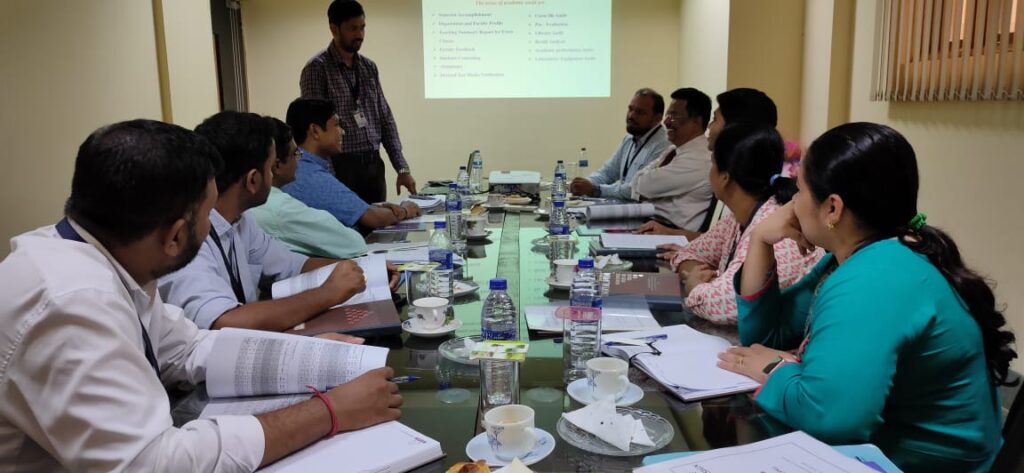
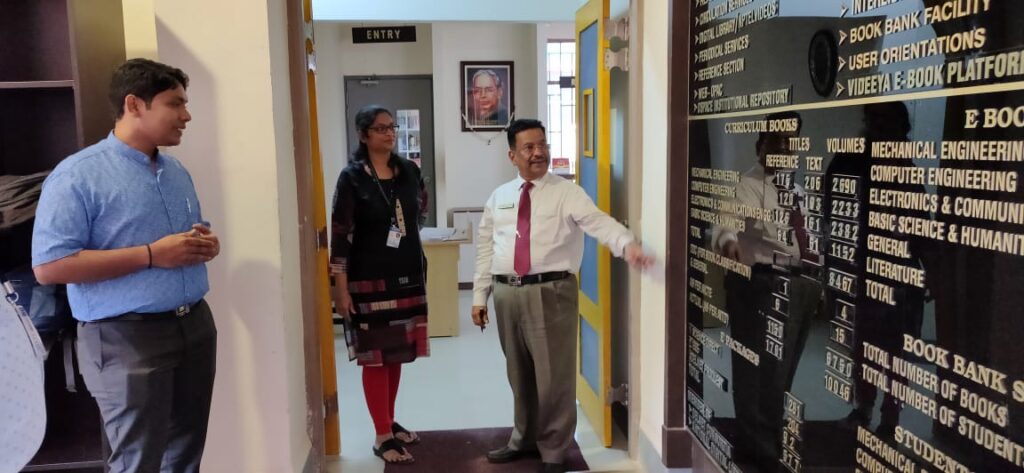
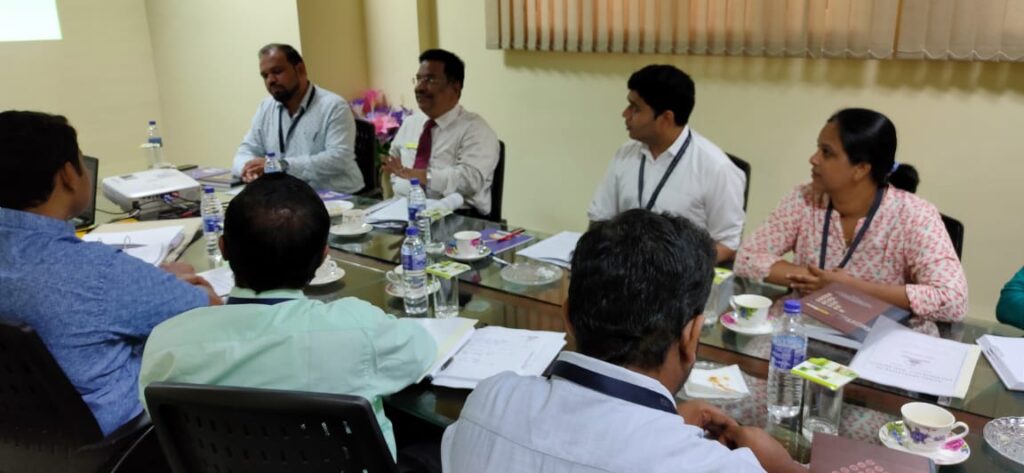
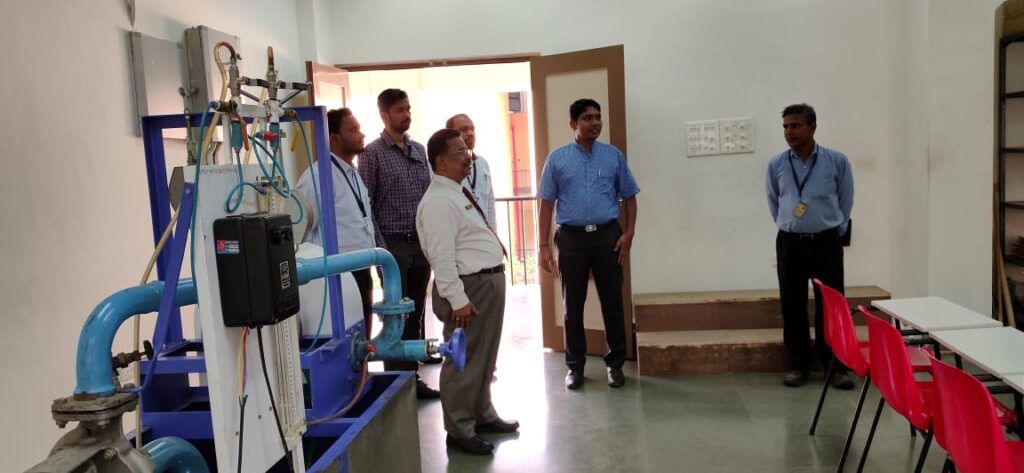
Meeting Glimpse